Business Hours: Mon-Fri, 8am-4:30pm & Sat, 8am-1:00pm, Sunday Closed

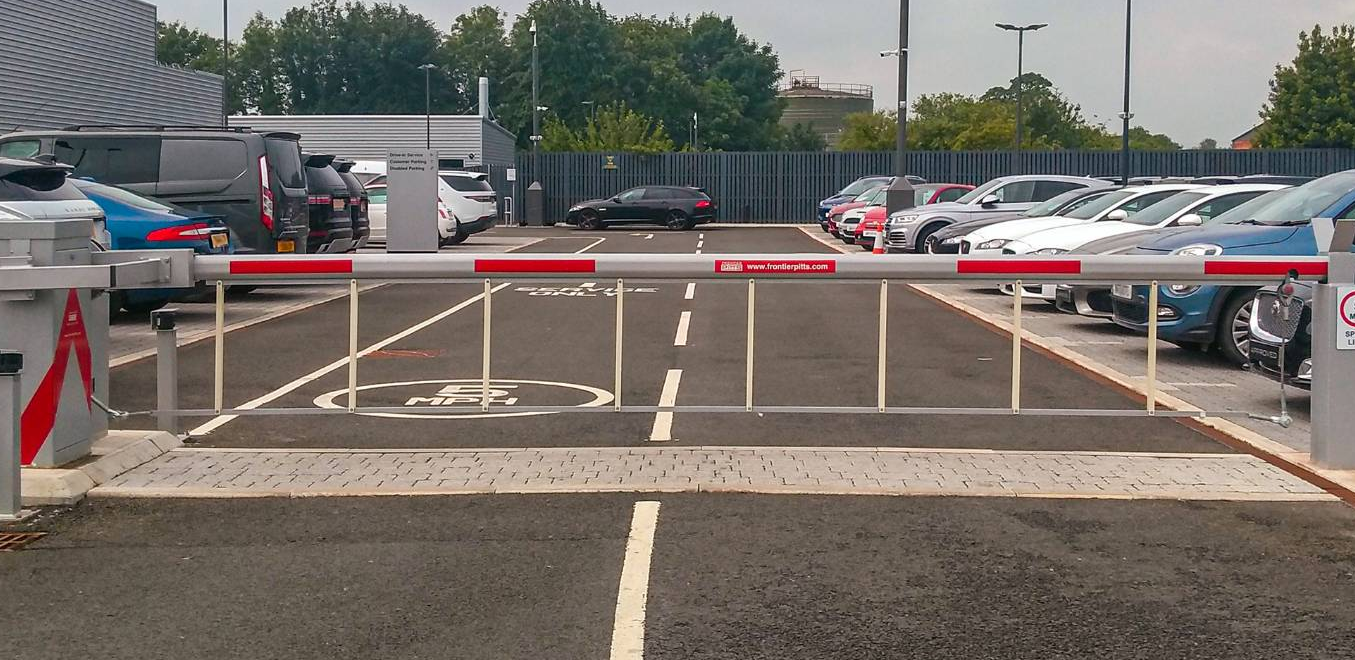
If you’re looking to improve vehicle access control at your site, one of the first decisions you’ll need to make is whether you should install an automatic barrier or a gate.
Generally, rising arm barriers are the best choice for sites where fast, regular traffic flow is the priority.
In comparison, gates are a better match for sites where the entrance needs to form part of a secure perimeter.
Then for some sites, installing both automatic barriers and gates provides significant security and access benefits.
The best solution will depend on several factors, including your site’s layout, your security requirements, and how often vehicles use your entrance.
In this article, Access Innovations’ expert team have shared a detailed breakdown of the differences between automatic barriers and gates. That way, you can confirm the best vehicle access control to suit your site.
Both systems are similar in that they control vehicle access.
But, they are each designed to serve slightly different purposes.
As you weigh up your options, you should consider a few key factors.
We recommend that you use the following points to decide which system is best for your site:
Whether you opt for automatic barriers or gates, both of these systems need to operate safely and reliably.
Powered gates and barriers are both treated as machinery. As such, they require advanced and compliant safety devices, in order to ensure you’re meeting the right operational standards and aligning with regulations. They must also be installed by competent engineers.
At Access Innovations, we are a fully trained, highly qualified team of suppliers, installers and engineers, with extensive experience under our belts.
We provide state of the art vehicle access control solutions to businesses across the country. Our team can assess a site, recommend the right solution and efficiently install it. Then, for our account holders, we keep it running dependably, through servicing, pre-planned maintenance and 24-hour support.
So, whichever option you’re debating, get in touch with the Access Innovations team, who are on hand to help.

In the UK, the entry and exit areas for commercial buildings are subject to stringent legal safety requirements, particularly when it comes to fire safety. These safety laws are designed to ensure dependable and standardised performance in the event of an emergency. They also ensure that key parts of a building – like doors, for […]

Industrial doors are a fantastic, efficient and dependable addition to an industrial site. However, all too often, these units are overlooked until something goes wrong. Even the highest quality industrial doors are at risk of failure, especially if they are not appropriately maintained. Common issues include roller shutters failing to open, automatic doors no longer […]
Read More… from What Is a Pre-Planned Maintenance Contract for Industrial Doors and Do You Need One?

“It’s working fine — why spend money on maintenance?” If your door is working just fine, it’s easy to see why it might be tempting to skip spending money on maintenance. It’s a common mindset. But in reality – especially in commercial premises – if your security doors, roller shutters, or automatic entrances start functioning […]
Read More… from The Hidden Cost of Skipping Annual Door Maintenance
 0800 086 2463