Business Hours: Mon-Fri, 8am-4:30pm & Sat, 8am-1:00pm, Sunday Closed

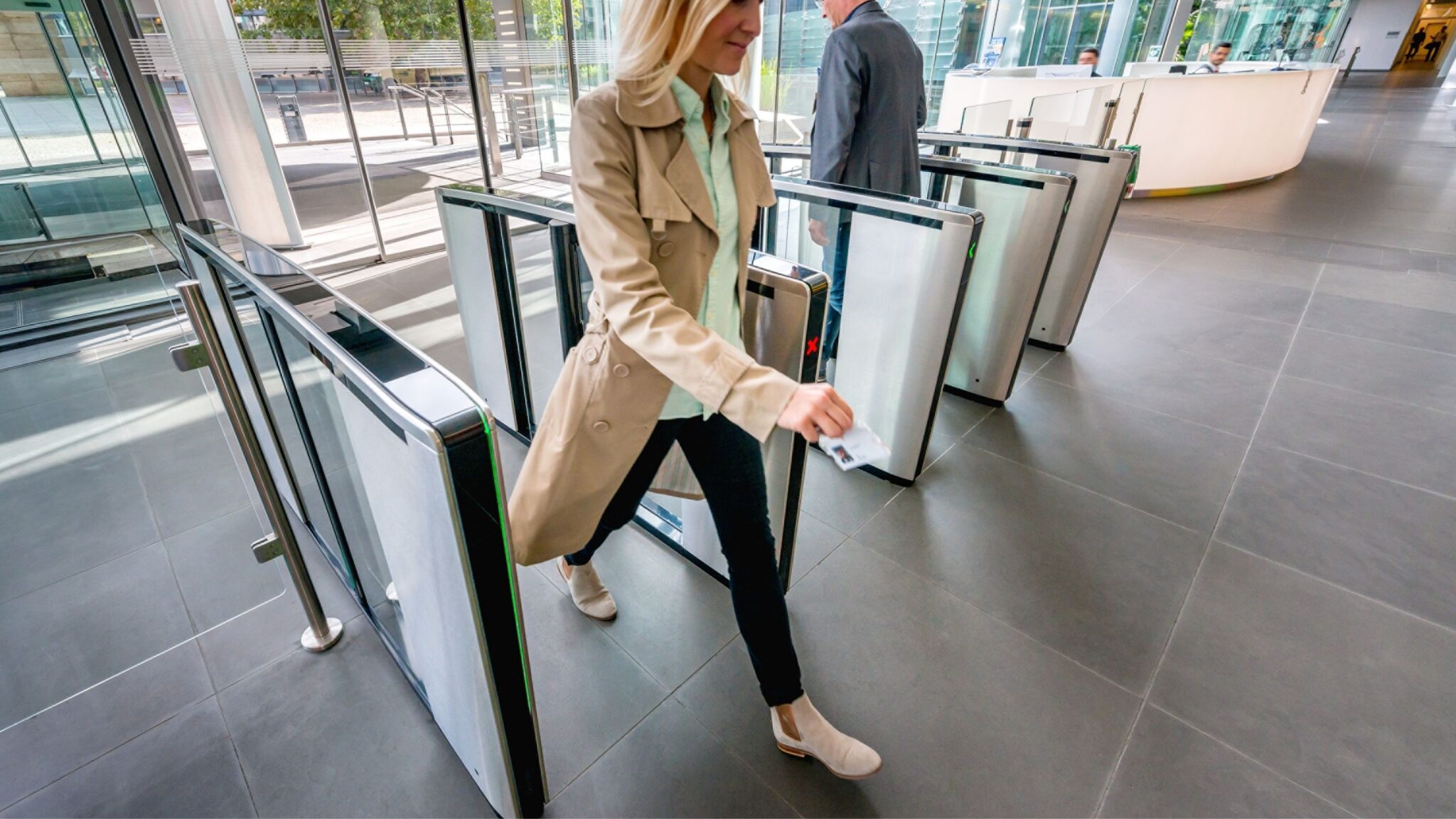
Across the UK, one of the government’s leading priorities is to improve security and safety standards, particularly with regards to terror threats.
As the government works to improve the country’s resilience to terrorism threats, new technologies will play an absolutely pivotal role. Thankfully, not only are security technologies already extremely advanced, but they are evolving constantly, in order to ensure the highest possible security standards, across all sectors and venues.
In this blog post, we’ve provided a detailed breakdown into Martyn’s Law, as a prime example of how the UK government is using these technologies to maximise the level of protection achieved in public places.
The primary purpose of Martyn’s Law is to implement stronger terrorism protections in public spaces.
In fact, this comes as part of a wave of new laws, serving to up-scale protective measures, and ensuring greater preparedness for such attacks.
Martyn’s Law (also formerly known as the Protect Duty) is a law that will ensure public venues have higher safety and security standards, particularly geared towards minimising the risk of terror attacks.
The law was named as a tribute to Martyn Hett, who was one of the 21 people who were tragically killed in the 2017 Manchester Arena terrorist attack.
According to the government, Martyn’s Law is essential because the nature of the terror threat is extremely complex, constantly evolving, and is not likely to go away any time soon. Furthermore, the last few years (with 14 terror attacks occurring in the UK since 2017) have demonstrated that terrorists are deciding to attack a wide range of locations and venue types.
As a result, by making it mandatory for public venues to achieve certain standards of safety and security, this law ensures all venues across the UK have sufficient resilience against this troubling threat.
Within the Bill, the requirements for public premises and events are outlined, and these are made proportionate to each location (based on its capacity size).
The requirements of Martyn’s Law include:
Martyn’s Law will apply to the entire UK, and the legislation will be introduced in the very near future.
Martyn’s Law will apply to premises and events businesses across the entire UK.
The Bill’s requirements will vary between different businesses, as the measures have been made proportionate to capacity size, and applicable requirements are dependent on the activities taking place at each venue.
Martyn’s Law will apply to your business if:
There are also certain provisions in place for temporary events (such as festivals).
The tiered model implemented in Martyn’s Law is as follows:
Standard tier – the requirements for businesses in this tier include notifying the regulator who is responsible for the premises, implementing procedures to follow in the event of a terror attack, providing teams with appropriate training.
Enhanced tier – extra requirements are given to high-capacity venues, and events with a capacity of 800 or more fall under this tier. The requirements for this tier include notifying the Regulator of their premise or event, taking ‘reasonably practicable’ risk reduction measures, maintaining a security document, and appointing a designated senior individual.
The government will also be supporting businesses, helping them to accurately and successfully implement these requirements, by providing support, guidance and training.
Businesses can also use the ProtectUK hub as a trusted, central location for guidance, advice and learning. Its security and counter-terrorism experts have created a free go-to resource for businesses to access the latest protective security information.
Speed doors are a prime example of a technology that businesses can implement, to quickly and effectively improve their sites’ security standards.
Speed gates (also known as speed doors) are a dependable, secure and user-friendly access control system. They are widely used in premises and events, including everything from stadiums to train stations.
They work by creating a system of electronic panels and barriers. Using sensors and control mechanisms, they require an individual to verify their right to entry, before opening the doors for them.
Speed doors are an essential part of security, as they allow premises to both control and monitor how many people come in and out of the building – which is one of the main areas that has been impacted by Martyn’s Law.
The benefits of using speed gates include:
At Access Innovations, we now supply and fit speed doors in premises across the UK.
With our trusted team of entrance technology specialists, you can ensure your new speed doors achieve the highest security standards for your premises.
To learn more about the requirements of Martyn’s Law, or the benefits that speed gates can unlock for your premises, speak to the Access Innovations team today.

In the UK, the entry and exit areas for commercial buildings are subject to stringent legal safety requirements, particularly when it comes to fire safety. These safety laws are designed to ensure dependable and standardised performance in the event of an emergency. They also ensure that key parts of a building – like doors, for […]

Industrial doors are a fantastic, efficient and dependable addition to an industrial site. However, all too often, these units are overlooked until something goes wrong. Even the highest quality industrial doors are at risk of failure, especially if they are not appropriately maintained. Common issues include roller shutters failing to open, automatic doors no longer […]
Read More… from What Is a Pre-Planned Maintenance Contract for Industrial Doors and Do You Need One?

“It’s working fine — why spend money on maintenance?” If your door is working just fine, it’s easy to see why it might be tempting to skip spending money on maintenance. It’s a common mindset. But in reality – especially in commercial premises – if your security doors, roller shutters, or automatic entrances start functioning […]
Read More… from The Hidden Cost of Skipping Annual Door Maintenance
 0800 086 2463